
AI reshaping Scrum Master work in 2026 AISM significance
The Scrum Master Role Changes Over Time
Out there in Agile land, things shift fast – AI often pulls the strings now. Speed creeps in where routines once stood still.
One year ahead of schedule, machines now handle tasks once thought to belong only to humans. Instead of waiting for trends, businesses tap into smart tools that learn on the fly. What used to be manual – tracking results, answering questions, sorting data – now happens without constant oversight. Behind every fast reply or sharp forecast sits code trained to adapt. Not magic, just math tuned over time. These shifts aren’t limited to Silicon Valley startups either. Factories, clinics, shops – they all lean on patterns found by algorithms. Even small teams run smarter because insight comes quicker. Decisions shift based on what the machine sees, not just gut feeling. Automation blends in so deeply it’s nearly invisible. By now, ignoring AI feels less like choice, more like falling behind.
Faster than a hiccup, even squads that move quick still trip sometimes.
Now AI shapes how teams plan, track, study, because Scrum Masters move beyond just guiding sprints. Once focused on clearing roadblocks while helping groups grow, they face shifts brought by smart tools reshaping daily routines. Where standup meetings once relied only on human talk, data-driven insights start filling gaps left by guesswork. Coaching still matters yet looks different when algorithms predict delays before they happen. Facilitation stays key though methods shift as digital assistants handle updates automatically. Old roles adapt since tracking progress now includes watching system-generated reports instead of whiteboards alone.
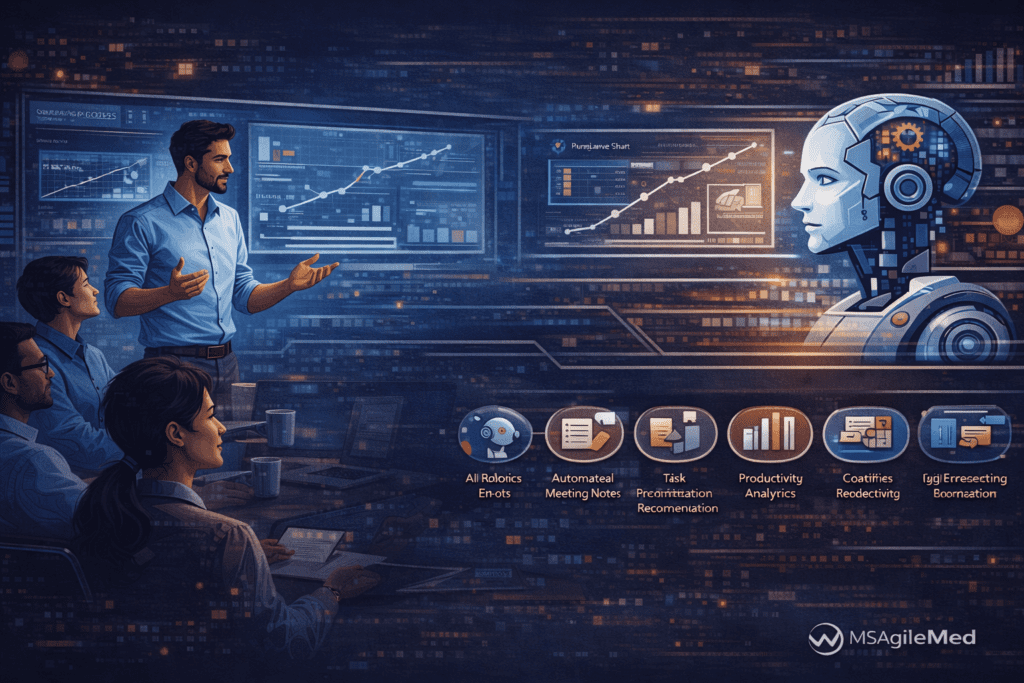
Today, many Agile teams are already using AI-powered tools for:
- Sprint planning suggestions
- Automated meeting notes
- Task prioritization recommendations
- Productivity analytics
- Workflow forecasting
- Agile reporting dashboards
When AI slips into everyday work software, folks start wondering something real. A big thing pops up in their minds
AI and Scrum Masters coexisting without replacement?
No, that won’t happen – still, the job itself will shift completely.
Even if machines handle routine work, they miss the warmth of guidance that skilled Scrum Masters bring. Leadership thrives on connection – something code can’t mimic. Feelings matter when teams grow, not just processes. Insight shapes progress more than automation ever could.
Few notice it yet, but AI quietly shifts how companies view skills in Scrum roles.
Today, more businesses look for Scrum Masters skilled in AI tools. These tools help teams work better without slowing down. Instead of guessing, choices get backed by clearer insights. Smarter outcomes come when agility meets smart software. Progress feels smoother when routines adapt quickly. Some find old methods lack speed – this fills the gap.
Exactly for this reason, the AISM certification – meant for Scrum Masters – is gaining more weight by 2026.
Here’s a look at shifts in the Scrum Master role due to AI, followed by reasons understanding AI-driven Agile methods has grown crucial lately.
AI Changes How Scrum Masters Work in 2026
Now machines that learn are taking over bits of work once done by people guiding agile teams. How routine jobs shift shows how roles change slowly. With time, tools handle what humans used to manage step by step. Who does what starts looking different when software steps in. Tasks once personal now run on their own in small quiet ways.
Instead of getting stuck in endless paperwork, Scrum Masters find AI helps smooth out Agile routines while making room for guiding teams. With smart tools stepping in, routine tasks take less time, leaving space to support people more directly. Now, energy shifts from checking boxes to building trust through real conversation.
AI Assists in Sprint Reporting
Finding time to put together updates often slows down teams using Agile methods. Watching how each sprint goes takes up more hours than expected.
AI tools can now automatically generate:
- Sprint summaries
- Velocity reports
- Burn-down charts
- Team productivity insights
- Retrospective recommendations
Fewer tasks need doing by hand now because things move faster without help.
Ai Helps With Meeting Notes And Records
Meetings in Scrum tend to spark long talks along with piles of written points.
AI-powered tools can automatically:
- Record meeting discussions
- Summarize daily standups
- Capture action items
- Organize sprint retrospective insights
Faster work happens when paperwork drops off. One less thing to track means more time doing actual tasks.
AI helps track tasks and suggest backlog items
AI in modern agile tools
- Suggest task priorities
- Predict delays or blockers
- Recommend sprint workload adjustments
- Analyze backlog patterns
Finding better ways to plan often comes from seeing things clearly – Scrum Masters gain that edge when they have solid information to rely on.
AI improves how work flows are analyzed
AI can analyze Agile performance data and identify:
- Team bottlenecks
- Productivity trends
- Sprint inefficiencies
- Delivery risks
- Capacity concerns
Besides helping teams move faster, Scrum Masters can spot issues before they grow. A shift in daily habits often reveals where progress slows. When patterns change, adjustments follow without waiting for setbacks. Small signals guide bigger moves over time.
What AI Still Can’t Do
Even with all the progress, artificial intelligence can’t do everything just yet.
Leading a Scrum team means guiding interactions, shaping how work flows between people, while growing trust within the group.
There are several critical responsibilities AI cannot fully replicate.
Human Coaching
Facing hurdles? That team guide steps in quietly. Growth happens when someone shows the way, slowly. Problems meet patience right there beside each person.
A human touch still matters most when guiding others. Though machines offer ideas, they miss the depth of real connection. Only a seasoned mentor reads between the lines, senses hesitation, adjusts tone on instinct. An algorithm follows logic – never gut feeling. Real growth often hides in moments that data overlooks.
Team Motivation
With feeling comes connection – leaders who notice emotions help teammates stay involved. When understanding leads, people move together without needing strict directions. A moment of listening often matters more than any plan ever could.
Without a heartbeat, machines cannot lift spirits. Team energy thrives on shared glances, not code. Emotion doesn’t run on algorithms. People rally behind presence, not processors. Warmth comes from faces, never screens.
Conflict Management
A clash among people involved often puts pressure on how they relate day by day. Navigating tension becomes a quiet task when roles start rubbing against each other. Moments like these shift focus toward unspoken tensions, slowly revealing where trust frays.
AI cannot handle emotional workplace conflicts effectively.
Leadership and Influence
Folks follow Scrum Masters even though they hold no official power.
Trust grows when people connect, yet machines stay outside that circle. Behavior shifts through human nudges, not algorithms ticking boxes. Working together blooms from shared glances, not data streams. Real presence matters, something circuits pretend at but never reach.
Traditional Scrum skills fall short now
Even though knowing classic Scrum still matters, more firms now look for Scrum Masters who do more than run standard meetings. Instead of sticking only to rituals, they want people who can move past them. Because teams face complex challenges, simply following the playbook isn’t enough anymore. Since agility means adapting, leaders must act where frameworks stop. When routines fail, it’s the extra steps that count. So mastery now includes navigating gray areas, not just clear rules.
Modern employers now prefer Agile professionals who can combine:
- Agile expertise
- Strategic thinking
- Data interpretation
- Automation knowledge
- Tool proficiency
Some companies now look for people skilled in Scrum methods along with digital tech and AI. These roles mix team guidance with hands-on tool knowledge. Not every job fits this blend, yet demand is shifting that way. Workers with both sides of know-how stand out. The trend leans into combining old frameworks with new systems. Firms want one person to handle multiple modern needs.
Nowadays, just having a grasp of Scrum fundamentals might not cut it when trying to get noticed.
What AISM Certification Means?
AISM – short for AI in Scrum Mastery – trains Agile workers to see where smart software fits into team rhythms. Instead of just following steps, people learn how machine thinking reshapes daily standups or sprint planning. One moment you’re adjusting backlog priorities; next thing, an algorithm suggests better timing. It’s less about coding, more about spotting openings where tech supports human decisions. Think of it like adding a quiet assistant who reads patterns others miss. This path doesn’t promise miracles – it builds awareness through real examples. Each lesson nudges practice forward without replacing what already works.
A blend of classic Scrum Master duties now flows into smart workflows driven by artificial intelligence. While old methods hold their ground, new systems learn and adjust on the move.
Smart choices come from clear thinking – AISM shapes experts who lead with speed and purpose in fast-moving teams. Ways of working shift smoothly when guidance comes from those trained to adapt ahead of change. Learning here builds sharper instincts, stronger decisions, different rhythms under pressure. Growth isn’t sudden – it follows practice that feels real, moment by moment.
AISM Certification What It Covers
AISM Teaches Scrum Masters How to Learn
- Integrate AI into Agile ceremonies
- Use AI productivity tools effectively
- Improve sprint forecasting with AI insights
- Automate repetitive Agile workflows
- Manage AI-enhanced Agile teams
- Analyze Agile metrics more intelligently
- Improve team productivity using data-driven decisions
Put plainly, AISM shows Scrum Masters the path to leading with agility powered by AI.
How AISM Skills Influence Pay by 2026
Now it’s clear – workers fluent in Scrum gain an edge when they also understand how AI fits into fast-moving workflows. Hiring managers notice those who blend adaptability with smart tools instead of relying on old methods alone.
Agile Salary Comparison
Role Traditional Salary AI Enhanced Agile Salary.
Agile Salary Comparison
| Role | Traditional Salary | AI-Enhanced Agile Salary |
| Scrum Master | $80K – $120K | $100K – $140K |
| Senior Scrum Master | $120K – $150K | $140K – $170K |
| Agile Coach | $140K – $200K | $170K – $220K |
Sure, pay changes depending on where you work, what you know, who hires you, also how much that job is needed right then.
Those who know both Scrum and AI often earn more – mixing strategy with tech skills opens doors. Worth tends to rise when abilities cross into smart systems work. Pay reflects what you bring beyond basics. Expertise that bridges methods and machines stands out quietly. Value grows without fanfare if your role fits modern needs.
Career Path for Scrum Masters Using AI
Should you aim to safeguard your Scrum role ahead of time, this route works best
Get Scrum Certified
Begin by learning the basics of Scrum through courses like these
- Certified Scrum Master (CSM)
- Scrum Fundamentals
- Agile Basics
Learn Agile deeply
Develop expertise in:
- Scrum ceremonies
- Agile values
- Sprint lifecycle
- Stakeholder communication
Understand the basics of artificial intelligence
Understanding AI concepts
- Machine Learning basics
- AI use cases
- Automation concepts
Earn AISM Certification
Gain specialized training in AI-powered Scrum leadership.
Use AI tools to practice agile methods
Learn to use modern workplace tools such as:
- AI note-taking assistants
- Sprint planning tools
- Workflow automation software
- Analytics dashboards
Adaptability Communication Critical Thinking Collaboration Learning Agility
Future Scrum Masters need broader skillsets than ever before.
Agile Leadership Skills
- Agile Coaching
- Facilitation
- Team Development
- Conflict Resolution
AI/Technical Skills
- AI Tool Usage
- Prompting Skills
- Workflow Automation
- Digital Tool Management
Strategic Skills
- Process Optimization
- Data Analysis
- Performance Metrics Interpretation
- Strategic Planning
Organizational Skills
- Change Management
- Stakeholder Alignment
- Cross-Team Collaboration
AISM Importance in 2026
What makes AISM stand out? The way agile workspaces keep changing.
Scrum Masters in demand by employers
- Smarter Agile Leaders
- Faster Delivery Facilitators
- Automation-Driven Process Experts
- Data-Aware Decision Makers
- Innovation-Focused Professionals
AISM guides workers to meet what’s expected of them.
Frequently Asked Questions About AISM Certification
AI and scrum masters coexisting without replacement?
Though machines handle routine work, leadership still needs people. Coaching thrives on empathy – something algorithms lack. Working together deeply relies on trust, not code. Scrum Masters guide through presence, not programming.
Is Aism Easy for Beginners?
Fairly new to AI? That still fits right into most AISM offerings. These programs often welcome learners at the start of their journey.
Scrum Masters and AI Knowledge Today?
Faster pace of change? It shows up more now, particularly where teams use AI-driven methods to speed up work. Still depends on the workplace.
Is AISM Worth It?
Fresh skills keep pace when tools shift, since hiring trends now favor those who adapt. Workers find their edge not just in knowing one method, but by stretching into new ways of working.
Who Should Take AISM?
AISM is ideal for:
- Scrum Masters
- Agile Coaches
- Project Managers
- Team Leads
- Delivery Managers
Conclusion
The shape of Scrum ahead isn’t fading – change is reshaping it slowly. Yet still, its core moves forward, just different now.
Fueled by shifts in tech, work styles evolve fast – Agile crews now move different. When Scrum leaders lean into AI, they open doors that stay open wider later on.
One thing is certain: those clinging to old ways might find themselves left behind. Tools evolve, so must the people using them. Staying still means falling off the path entirely.
Thriving past 2026? That goes to Scrum Masters blending Agile leadership with AI-driven productivity. One skill feeds the other – without forced synergy. Tools change, yes, yet mindset shifts matter more. Watch those who adapt quietly outpace the rest. Not loud announcements, but steady tweaks define their path forward.
Keep Scrum Skills Up to Date
A fresh path opens when you move closer to leading with agility today.
A fresh start begins with learning how top teams use AI within Scrum – step into AISM training to build what matters. Skills shaped by real needs, ready for 2026’s demands, grow here through hands-on practice. Employers notice those who adapt early, especially when their methods match modern workflows. This path opens doors not by promise, but by proof of capability.